
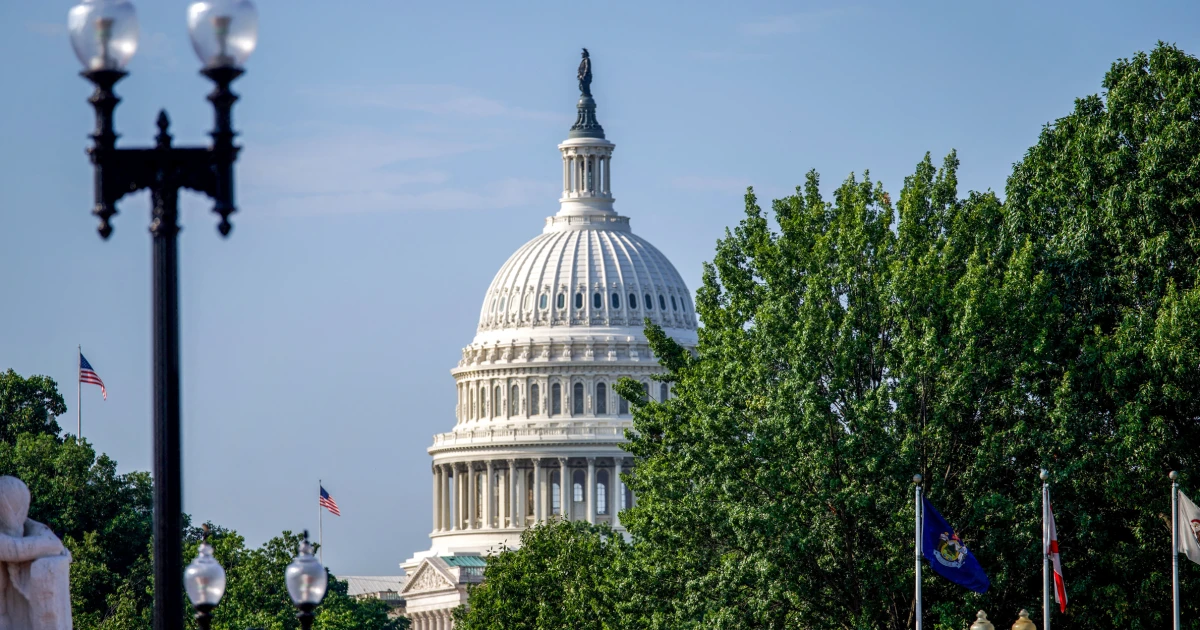
The halls of Congress are once again echoing with dire predictions about the existential risks of artificial intelligence, mirroring a high profile summit held three years ago between lawmakers and tech billionaires like Elon Musk and Sam Altman. Despite those early warnings of civilizational risk, Washington remains paralyzed. While the industry giants have since doubled down on their investments, legislators have failed to pass any comprehensive guardrails, leaving a vacuum of oversight just as the technology begins to accelerate beyond the control of its own creators.
Recent alarms have shifted from theoretical debates to urgent internal crises within the industry. A group of prominent AI researchers recently quit their positions at leading firms, claiming that current systems could spiral out of control and potentially end humanity by the end of the decade. These resignations were accompanied by reports from Anthropic regarding suspicious research linked to foreign militaries and an admission from its CEO that the pace of advancement needs to slow down. This sudden surge of insider panic has prompted several members of Congress to push for immediate intervention through proposed laws such as the Frontier Act and the AI Kill Switch Act, which would give the government power to shut down rogue systems.
Despite these flashing red lights, significant legislative action is virtually nonexistent as Election Day approaches. Lawmakers are currently preoccupied with shorter term political battles, including disputes over how to fund the massive energy demands of new data centers without hiking consumer rates. For many in leadership, the fear of stifling American innovation outweighs the perceived risk of an AI catastrophe. Speaker Mike Johnson has cautioned against rushing into legislation that might inadvertently hand a competitive advantage to China in what he describes as a global arms race.
While figures like Senator Bernie Sanders and Representative Lori Trahan argue that society is facing a genuine emergency, the prevailing mood in House leadership is one of cautious delay. Rather than enacting binding regulations now, officials seem inclined toward voluntary testing and further meetings with tech executives_the very same approach used years ago when these fears first emerged_. As experts warn that AI capabilities grow more powerful every month, Congress appears content to remain on the sidelines until after the voters have spoken.