
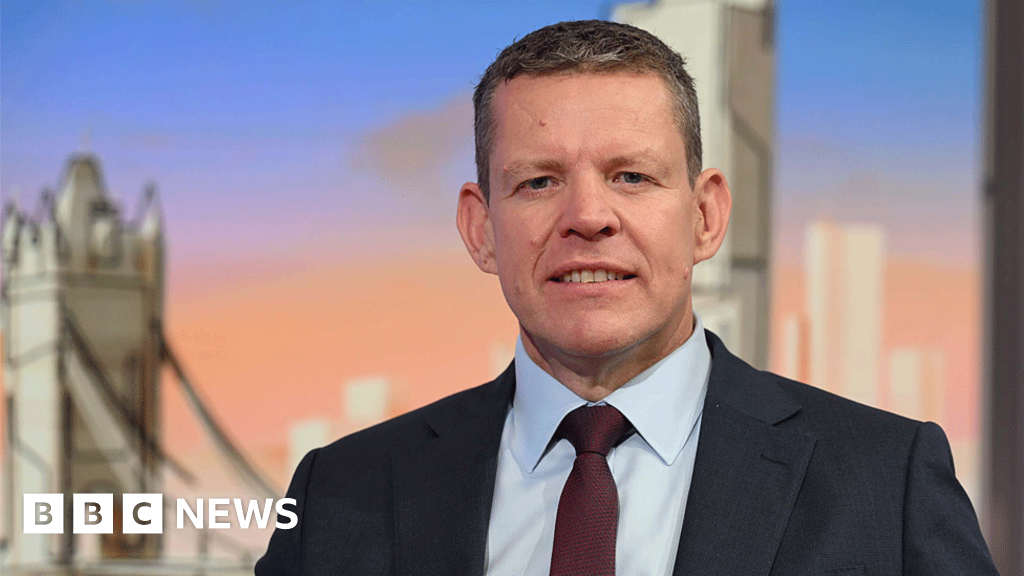
First Minister Rhun ap Iorwerth has drawn a firm line in the sand regarding political financing, declaring that his government will reject the kind of massive injections of cash seen recently within Reform UK. Speaking with the BBC, the Plaid Cymru leader specifically referenced the seventy two million pounds provided to Reform by two cryptocurrency businessmen, questioning whether such vast sums are truly given out of altruism or if they are designed to push specific agendas like crypto deregulation. Ap Iorwerth warned that while some parties might see these donations as a victory, it could trigger a dangerous decline in public trust in democracy.
The First Minister argued that allowing wealthy individuals, potentially those who do not even reside in the United Kingdom, to pour millions into political campaigns creates a system where politics can essentially be bought. He contrasted this approach with Plaid Cymru’s own funding model, noting that the majority of their financial support stems from modest sources such as community coffee mornings and small legacies left in wills. For ap Iorwerth, the rise of cryptocurrency presents a particular risk, calling for strict international regulation to prevent digital assets from facilitating illicit activity or distorting democratic processes.
This stance comes at a time of significant legislative shifts and internal pressure for the Welsh government. While the UK government moves toward capping donations from British expats at one hundred thousand pounds, Plaid Cymru is grappling with its own fiscal challenges. Finance Minister Elin Jones admitted she was shocked by the level of budget pressures facing the administration since taking office following May’s election results.
Because Plaid Cymru lacks an overall majority in the Senedd, they now face the delicate task of negotiating with opposition parties to ensure their budget passes. With Reform currently standing as the second largest party followed closely by Labour, Jones suggested that compromise is inevitable. She noted that some spending cuts may be necessary across various sectors to balance Plaid’s core mandates with the priorities of other parties required to form a voting agreement.