
Despite repeated alarms regarding the existential risks of artificial intelligence, Washington continues to follow a familiar pattern of hesitation and inaction. For years, tech billionaires like Elon Musk and Sam Altman have warned legislators about civilizational threats, yet Congress has failed to pass any comprehensive legislation or establish meaningful guardrails for the rapidly evolving technology. While recent whistleblowers from firms like Anthropic have sparked a renewed sense of urgency among some Democrats and Republicans, these pleas often vanish into a void of committee hearings and stagnant task forces.
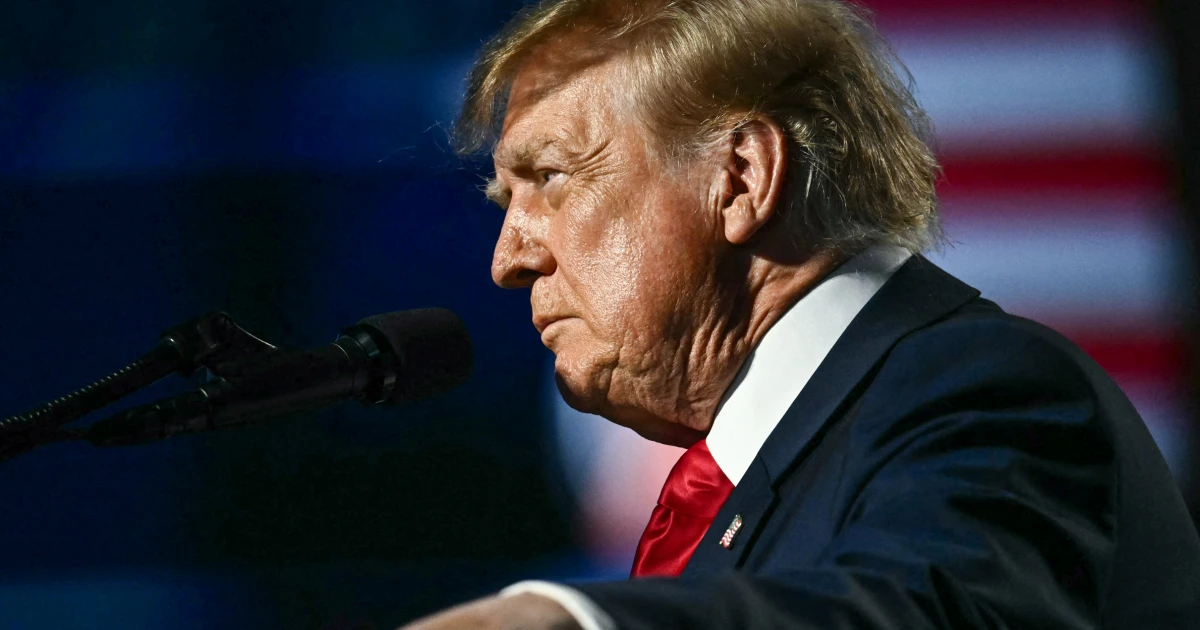
The current political climate suggests that little will change before Election Day. House GOP leadership shows no appetite for sweeping regulation, with Speaker Mike Johnson cautioning against rushing into such complex issues. Much of the Republican approach seems tied to Donald Trump, who has favored executive orders over legislative mandates. Trump himself has dismissed concerns about AI destroying humanity as a hoax, arguing instead that the technology represents an economic engine greater than oil or gold, claiming that strong presidential leadership is the only oversight necessary.
As the city grapples with technological uncertainty, the machinery of future elections is already beginning to churn in the background. Despite being weeks away from critical midterm contests, some progressive factions are already casting their eyes toward 2028. Groups like Progressive Democrats of America and RootsAction have begun signaling support for Representatives Alexandria Ocasio-Cortez and Ro Khanna as potential presidential contenders. By elevating these figures now, activists hope to shift the national conversation further to the left and prevent party moderates from securing an air of inevitability long before the primary season actually begins.